
Take The Room Seriously - The Moment Deserve More Than Improv
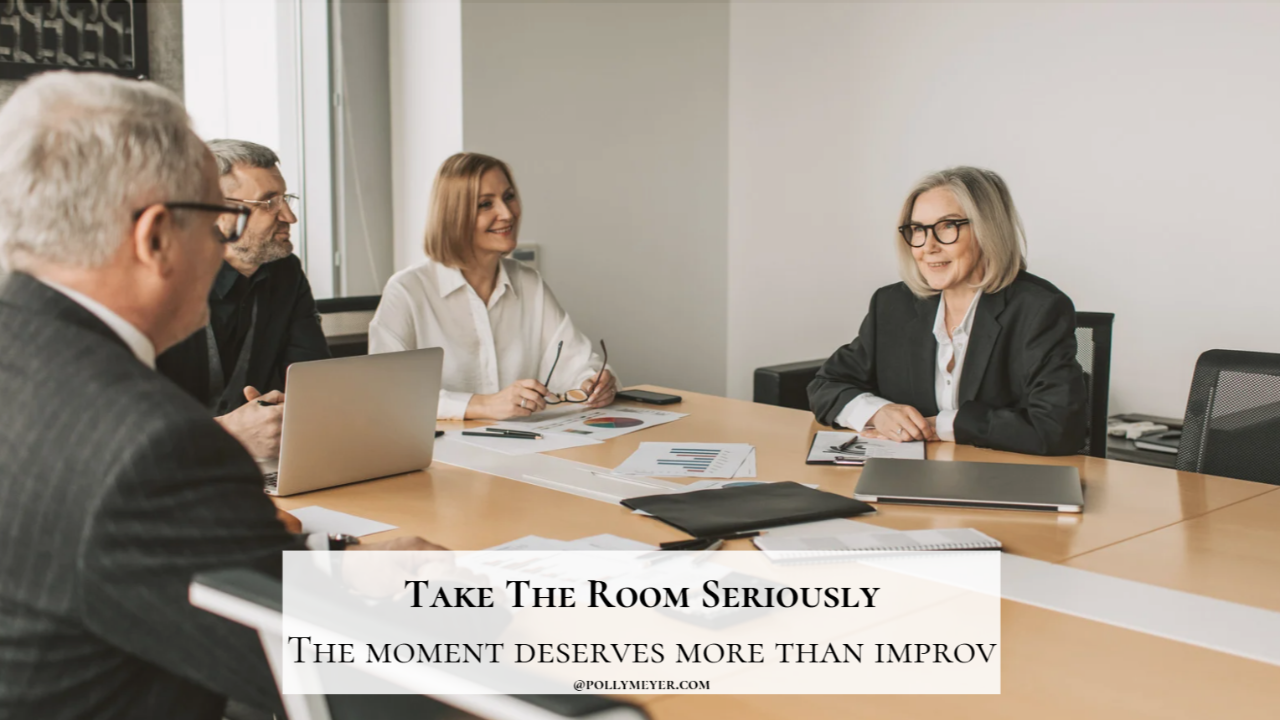
I have very little patience for the idea that high-stakes communication can be handled by winging it.
Not because people are not talented. Many are. Not because they do not know their work. They usually do.
But pressure changes the room.
The boardroom, the media interview, the candidate forum, the investor conversation, the executive presentation, the difficult conversation with someone who can challenge you in real time. These moments ask more from you than knowledge.
They ask for clarity, steadiness, and practice.
I have watched capable people know the answer in private and then lose access to it when the stakes rise. Their pace changes. Their thoughts scatter. The message gets longer, softer, or less clear.
That is not weakness. That is what pressure does.
This is why we practice.
Not to become stiff or scripted, but so the moment does not take us over. Clarify the message. Say it out loud. Pressure-test the questions, interruptions, and pushback that may come.
That is wher...
Set The Intention - Intention Changes Presence
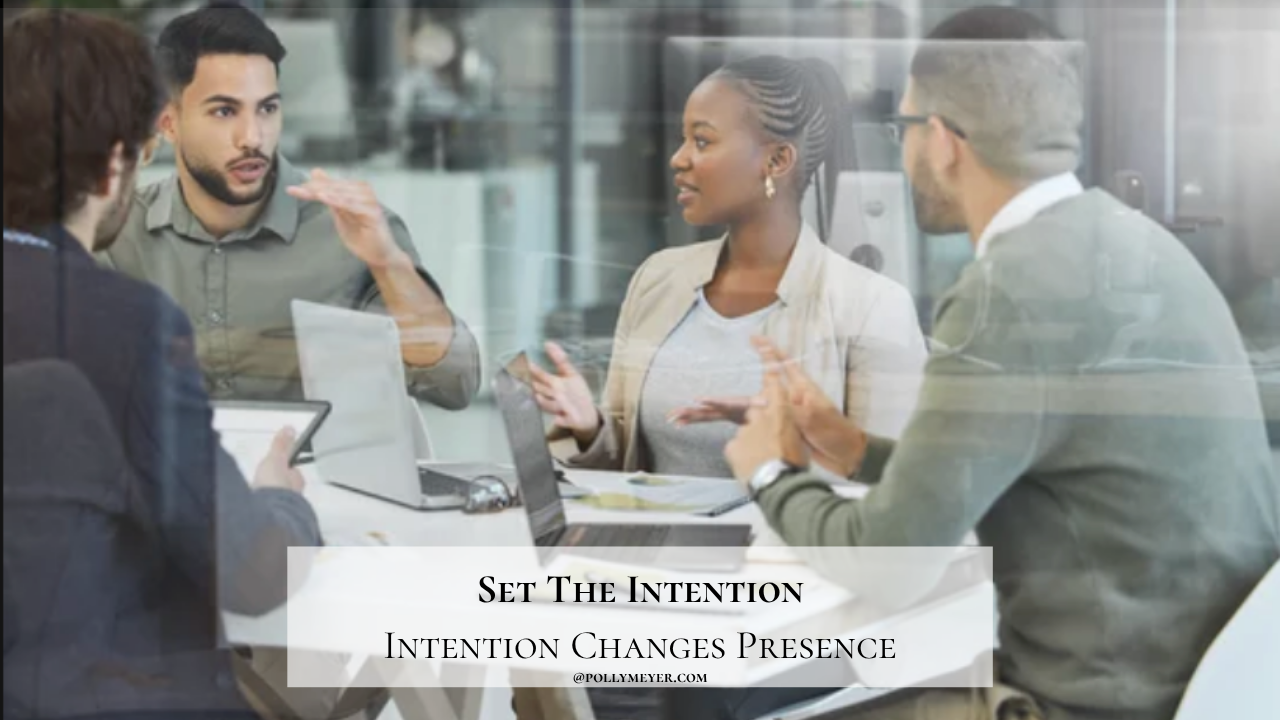
Before an important meeting, most people prepare the content. They review the slides, check the numbers, rehearse the update, and make sure they know what they want to say. That matters, of course. But there is another kind of preparation that is just as important, and it often gets skipped.
Name the conversation before you enter it. Is this a decision conversation? Is it an alignment conversation? Is it a repair conversation? Is it a visibility moment? Is it a trust-building moment? Is it a moment where people need clarity, reassurance, direction, or courage? Those are very different rooms, and they require different versions of your presence.
I’ve seen smart professionals walk into a meeting thinking they were there to give an update, when the room was actually looking for a recommendation. I’ve seen executives prepare to defend a point when the moment really required listening. I’ve seen candidates come ready with information when the audience needed conviction. The realization is...
Less Detail. More Direction.
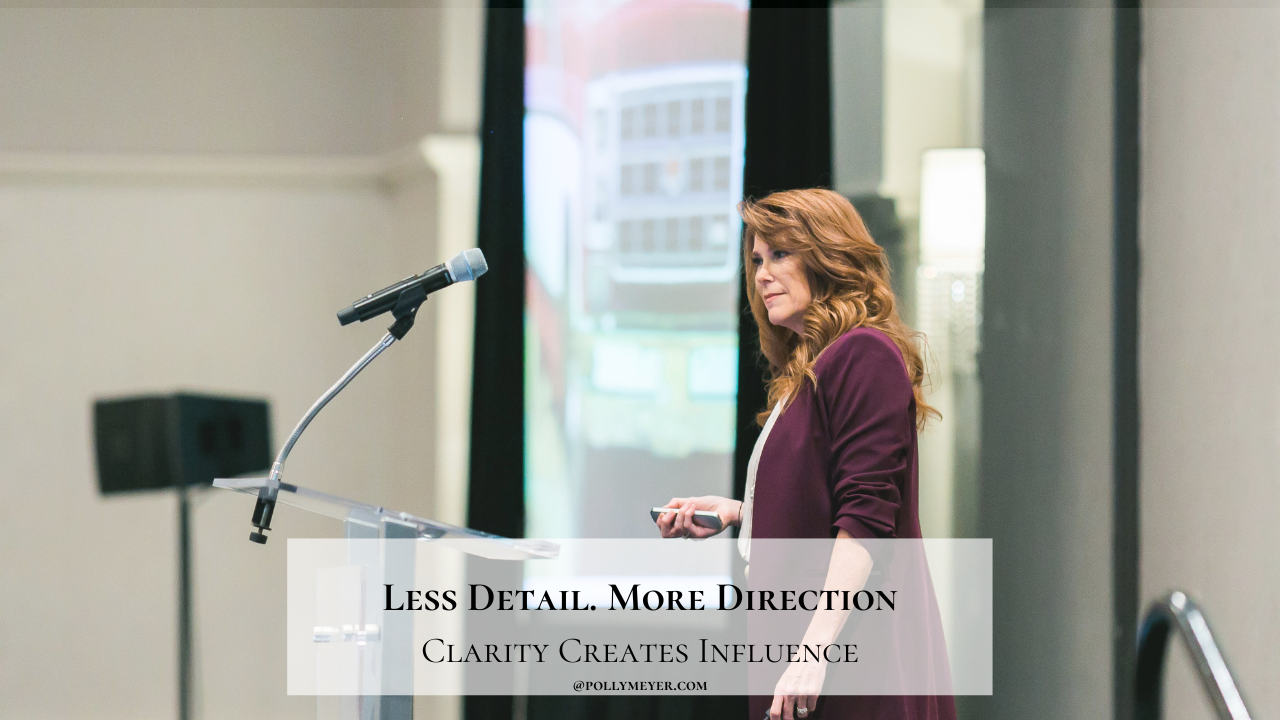
One of the patterns I see with highly capable people is that they often confuse credibility with completeness. They walk into the room wanting to show the full picture, the backstory, the complexity, the nuance, the risks, the research, and every reason they arrived where they did.
And I understand that instinct. When you care about the work, you want people to know you have thought it through. You want them to see that you are not being careless. You want them to trust the depth behind the recommendation.
But at a certain level, the room does not need everything you know. It needs the point you are willing to stand behind.
I’ve watched executives lose the strength of a message because they kept adding more to it. Not because the information was wrong, but because the point became harder to find. And once the room has to work too hard to locate the meaning, your influence starts to soften.
The shift is learning to lead with judgment. My simple framework is this: say where you stand, say ...
When Preparation Becomes Pressure - Practice should give your presence back
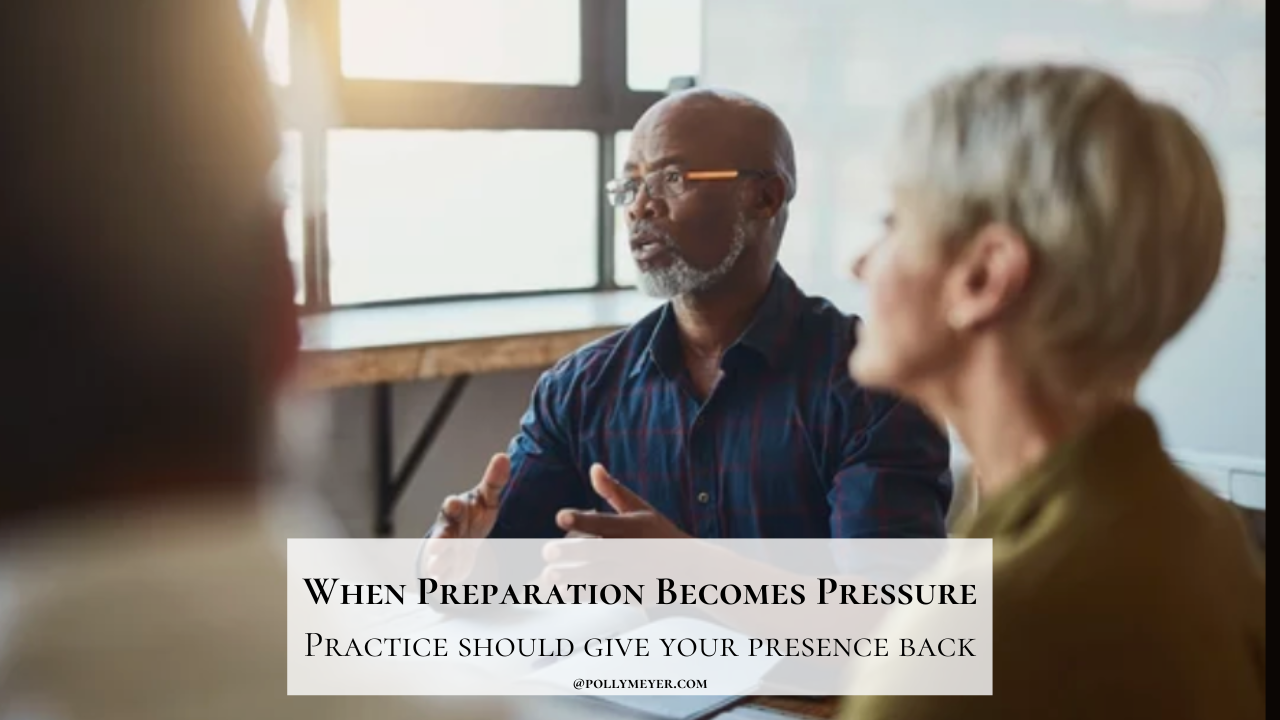
I’ve been thinking about how easy it is for high-performing people to confuse preparation with pressure.
I understand this one deeply because preparation matters in my world. I believe in practice. I believe in rehearsal. I believe in walking into a room having done the work.
But there is a point where preparation stops supporting you and starts tightening you.
You can feel the difference.
Supportive preparation gives you structure, language, confidence, and room to breathe. Pressure-based preparation makes you want to control every sentence, anticipate every reaction, and get everything exactly right.
That second kind of preparation can make someone sound less like themselves.
I see this often before presentations, interviews, investor conversations, and high-visibility meetings. The person has done the work, but the work has made them tense instead of free.
So I often ask: are we preparing to control the moment, or are we preparing to be available inside the moment?
That ques...
Join the Embody Leadership 8-Week Cohort! Starts January

Many leaders entered this year expecting more clarity than they’re experiencing right now.
They thought decisions would feel cleaner. That leadership would feel steadier. That the hard-earned lessons of the past few years would finally translate into more ease.
Instead, the pace increased. The pressure followed. And leadership started to feel heavier than anticipated.
Embody Leadership is an eight-week leadership experience for high-performing leaders who don’t need more information, but do need a stronger internal framework for how they lead as responsibility, visibility, and expectations rise.
Starting in January, and over eight weeks, we focus on:
• Creating clarity when everything feels urgent
• Leading conversations with presence rather than pressure
• Making decisions from steadiness instead of strain
This is work for leaders who want to step into 2026 feeling grounded, confident, and intentional rather than simply reactive.
Today is the final day for the $500 enrollment incen...
How to Step Out of Your Comfort Zone and Build Genuine Connections

I’ve been working with a senior leader recently who is learning to expand his executive presence. Like many leaders, he’s confident in his work, but when it comes to networking events or larger meetings, he finds himself holding back—especially when it comes to starting conversations or sharing personal stories.
This is a common challenge for introverted leaders: the spotlight feels uncomfortable, and conversations can feel flat or transactional. The good news? Executive presence in these settings isn’t about dominating a room—it’s about creating genuine connection. And that can be learned.
Here are the tools and strategies I teach my clients to help them feel safe, confident, and generous in how they show up with others.
1. Anchor Your Nervous System Before You Enter the Room
Executive presence starts on the inside. If your nervous system is in “fight or flight,” it will show up in your posture, tone, and energy.
-
Grounding Breath: Inhale for 4 counts, hold for 2, exhal
...
Cultivating Executive Presence

Executive presence is the ability to command respect and influence through your personal style, behavior, and communication. It is the combination of factors that enables you to effectively lead and inspire others, both within and outside of your organization.
As leaders, it is important that we cultivate our executive presence in order to be effective in our roles. This means being confident, decisive, and authentic, as well as having a strong sense of purpose and vision. It also means being able to communicate clearly and effectively, both in person and through virtual channels.
But executive presence is not just about personal style or charisma. It is about building trust and credibility with those around you, and inspiring others to follow your lead. It is about being a role model and setting the tone for the culture of your organization.
In short, executive presence is critical for effective leadership and driving results. It is something that we should all strive to cultivate ...
Graceful Self-Promotion

We all know that one person at work — you know, the self-centered, annoyingly successful, blowhard who takes every opportunity to brag about his own work. “Did you hear that I landed the Boothman account? Yessssssss!!”
Ugh. (Insert eye roll here.)
Meanwhile, you keep your head down and work hard, holding fast to the belief that your work should speak for itself, and when it does, you'll get the recognition you deserve.
Let’s do a reality check here. Is this approach reeeeeally working for you?
Most of us aren’t great at self-promotion. But quite honestly, you're not doing yourself any favors by keeping quiet or playing small. Like it or not, promoting yourself at work is crucial, and your success depends on it.
In its most simplistic form, self-promoting comes down to this: You let your co-workers and your bosses know what you do, what you excel in, and what you accomplish in your job.
But if you're not sure how to start, I’m excited to share some tips to help you promote yoursel...
5 Tips to Make Great Impression When Web Conferencing
Professional engagements are moving to web conferencing due to Covid-19.
I was interviewed by WCCO, an affiliate of CBS, to discuss strategies job search strategies.
Whether you're a professional doing team meetings or part of a job interview, these Top 5 Tips will help you make a memorable and lasting impression.
You'll definitely want to pay attention to Tip Number 4!
Here's to developing your professional brand and reputation.
Polly
Executive Speaking: An Underrated Secret of Success

I want to give you a simple yet genius technique that will help you be more powerful, charismatic and persuasive — in just 3 seconds flat.
Ladies and Gentlemen, I give you the Pause.
When you’re in a conversation, a pause of silence gives you the wonderful opportunity to listen and to make an impact on the people around you.
Being a really good listener is one of the most underrated secrets of success. Its crucial if you want to be more charismatic, more persuasive, and a better negotiator.
Plus, truly listening to someone and having them feel that they were truly heard is one of the biggest gifts you can ever give. The pause gives you presence. And people can feel it.
The problem is, most of us suck at listening, and we don’t even know it. We’re always interrupting people with our points of view, feedback and ideas.
But when you remain quiet and just zip it shut, you’ll be surprised how often people will open up and reveal more and more about themselves, find n...
